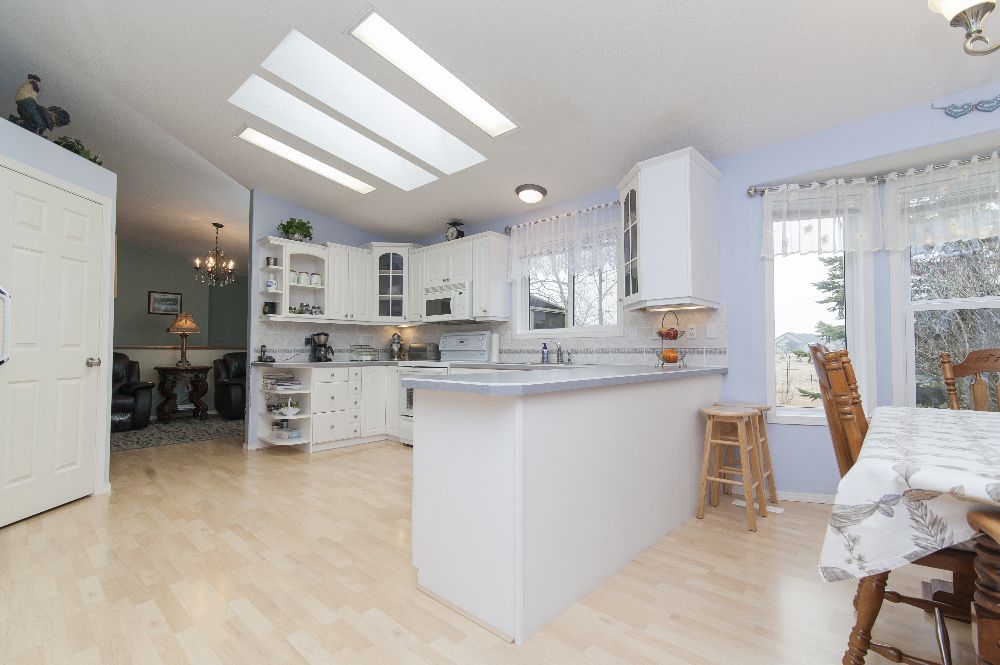
An open space kitchen has this way of breathing life into a home. Cooking, dining, and living all overlap, which is a blessing when space is tight. No walls mean you can chat while stirring a pot, and friends can linger without hovering. Anyone who enjoys hosting knows how this layout keeps everyone in the loop without a single shout.
Why a Living Room Open Kitchen Works
Connecting the kitchen to the living room isn’t just about looks; it’s about the feel of the place. Remove a wall and suddenly sunlight spills across the floor, bouncing off every surface, making even a small apartment seem expansive. Proper placement of kitchen equipment ensures cooking areas stay functional without crowding the space.
- Keep talking: You don’t have to shout to be heard.
- Match it up: Furniture, décor, and your kitchen equipment feel intentional, not thrown together.
- Roomy vibe: A tiny space doesn’t feel suffocating anymore.
For apartments with limited square footage, this setup feels like getting extra room without demolition. It’s clever, subtle, and instantly practical.
Why a Modular Kitchen Makes Sense
A modular kitchen breaks the space into units that slot together neatly, which is a lifesaver when cooking often.
- Smart storage: Cabinets and drawers fit utensils and appliances perfectly.
- Easy to clean: Separate units mean no tricky corners to dodge.
- Space efficiency: Every inch counts, especially in small kitchens.
You can mix corner units, pull-out shelves, and overhead cabinets to make every inch do its job.
Adding a Modular Kitchen Island
A modular kitchen island gives extra counter space, storage, and sometimes a casual seating spot. A few pointers:
- Size counts: Don’t block movement with something too wide.
- Versatile: Chop veggies, eat breakfast, or linger with coffee.
- Extra storage: Keep essentials close, without cluttering counters.
In tighter kitchens, islands help define zones subtly. You can cook on one side while someone lounges on the other without feeling boxed in.
Tips for a Small Modular Kitchen
Even the tiniest kitchens can work beautifully if you think a little differently:
- Go vertical: Taller cabinets store more without eating floor space.
- Flexible furniture: Movable islands or foldable tables shift as needed.
- Light and bright: Pale colors and reflective surfaces make the area feel bigger.
A bit of planning, and even the coziest kitchen can feel functional, stylish, and surprisingly open.
