Why Undersized Ice Machines Quietly Drain Restaurant Profits Walk into any busy kitchen during a Friday dinner rush and one machine is usually working harder than anything else: the ice maker. Most owners size it off a rough guess from whoever sold them the unit, not off actual seat count or beverage volume. That gap […]
Category: Blog
Explore the latest innovations, best practices, and design trends in commercial kitchen equipment. Stay updated with SL Kitchen Equipments’ expert insights.
A commercial steamer cooks food with hot vapor instead of direct heat or submerged water. That one difference is why kitchens reach for a steamer over a pot of boiling water: vegetables keep more color and nutrients, rice and seafood cook faster, and none of it needs oil. This guide walks through the main types […]
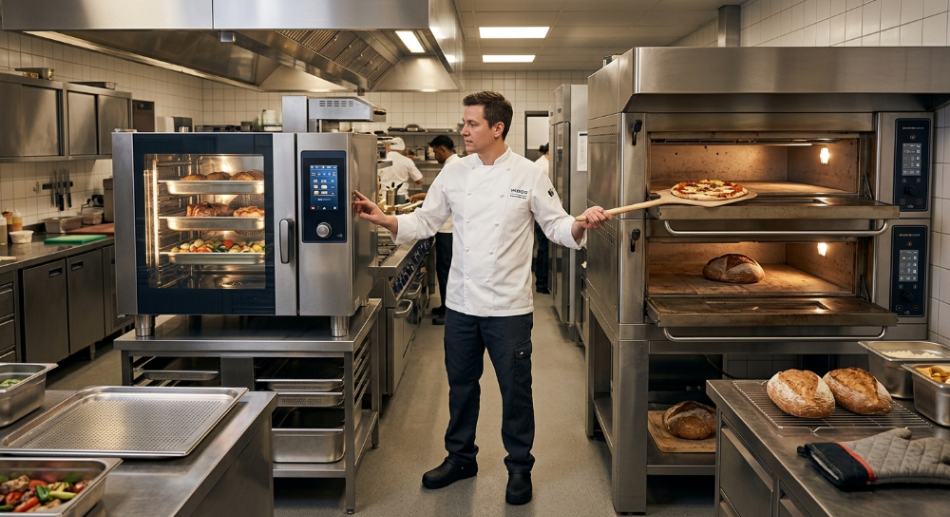
Most comparisons of combi and deck ovens stop at the spec sheet: one is versatile, one makes better crust, pick your menu. That’s true, but it’s also the easy 80% of the decision. The harder 20% – the part that actually determines whether you’re happy with the purchase a year in – is water quality, […]
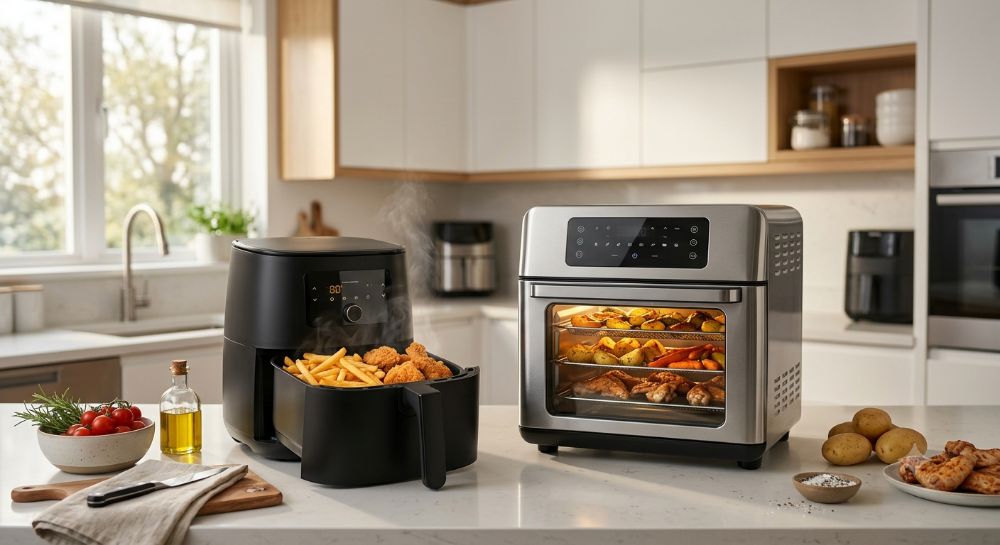
An air fryer is a small convection oven. It blasts hot air around food instead of drowning it in oil. Simple enough. Picking the right one gets complicated fast, but really it boils down to three things: capacity, wattage, and whether a basket or oven-style layout fits on your actual counter, not the roomy one […]
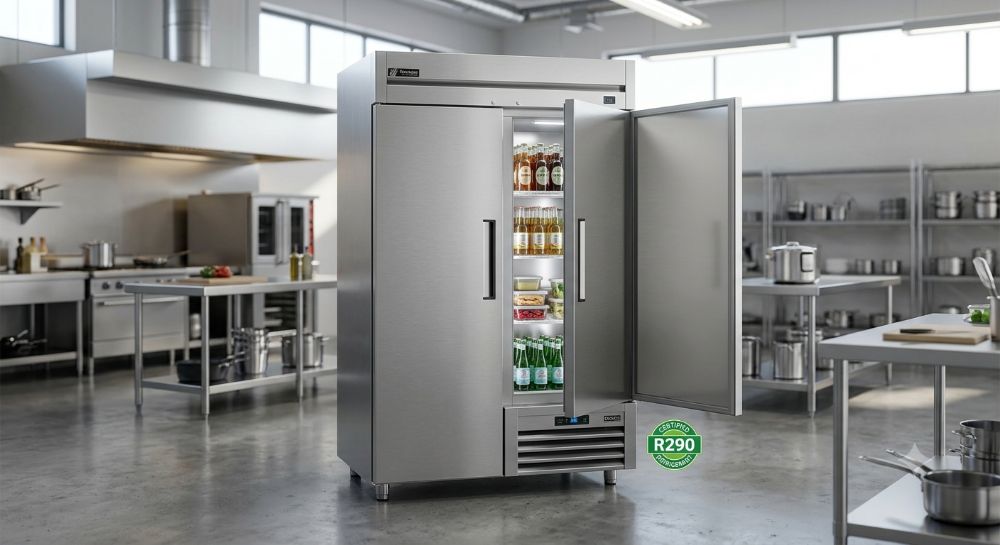
R-290 is propane. Same gas, just doing a different job. It’s turning up in commercial fridges now because it cools just as well as the old stuff and does far less damage on the way out the door. You’ll find R290 mostly in small, self-contained units. Reach-in coolers. Beverage merchandisers. Ice cream freezers. Its GWP […]
The correct refrigerator storage order places raw meat on the bottom shelf, produce on middle shelves, and ready-to-eat foods on top. This layout prevents cross-contamination – the transfer of harmful bacteria from raw foods to items that won’t be cooked. According to the FDA Food Safety Guidelines, bacteria such as Salmonella, E. coli, and Listeria […]
Grease traps should be cleaned every 1–3 months for restaurants, quarterly for commercial kitchens, and 2–4 times per year for small businesses. Frequency depends on usage volume, grease production, and local health department regulations. Regular cleaning prevents blockages that cause equipment failure, staff safety issues, and costly fines – health inspectors cite businesses for inadequate […]
A sous vide machine is a precision kitchen tool that cooks food in a temperature-controlled water bath. This method ensures that the food reaches an exact internal temperature without the risk of overcooking the exterior. To use a sous vide machine, secure the device to a water-filled pot, set your target temperature, and place vacuum-sealed […]
A blast chiller is a specialized cooling device designed to rapidly lower the temperature of food. This equipment is essential for preventing bacterial growth and maintaining the structural integrity of cooked products. Blast chillers work by blowing high-velocity cold air over food items to cross the “danger zone” (60°C to 5°C) in under 90 minutes. […]
If you work with coffee daily, you know that milk temperature affects every cup. A milk fridge for a coffee machine keeps milk cold and ready for steaming. This saves time, prevents waste, and ensures drinks taste consistent. Whether you run a café or make espresso at home, a milk cooler for a coffee machine […]