Choosing kitchen equipment starts with your menu, your covers and your service style, not with a catalogue. This guide sets out a step-by-step method to size, specify and compare commercial gear so you spend once and keep the kitchen running.
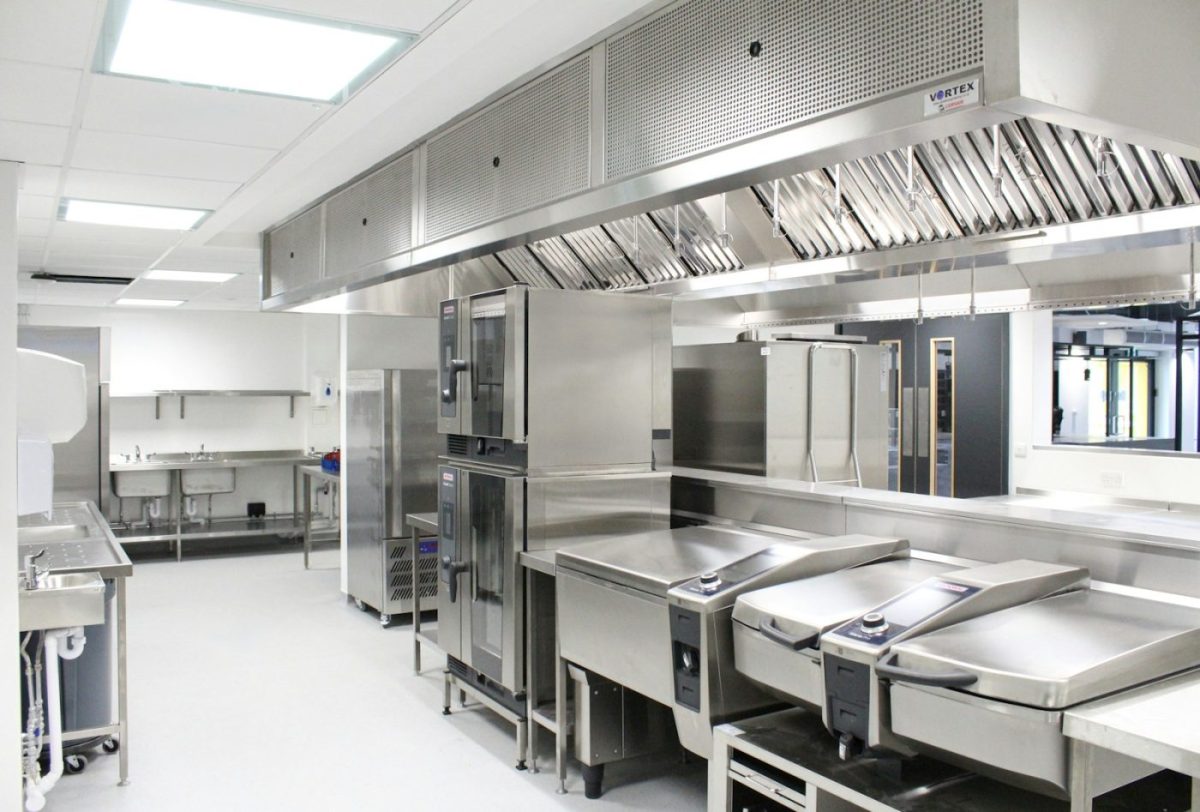
Choosing kitchen equipment starts with your menu, your covers and your service style, not with a catalogue. This guide sets out a step-by-step method to size, specify and compare commercial gear so you spend once and keep the kitchen running.
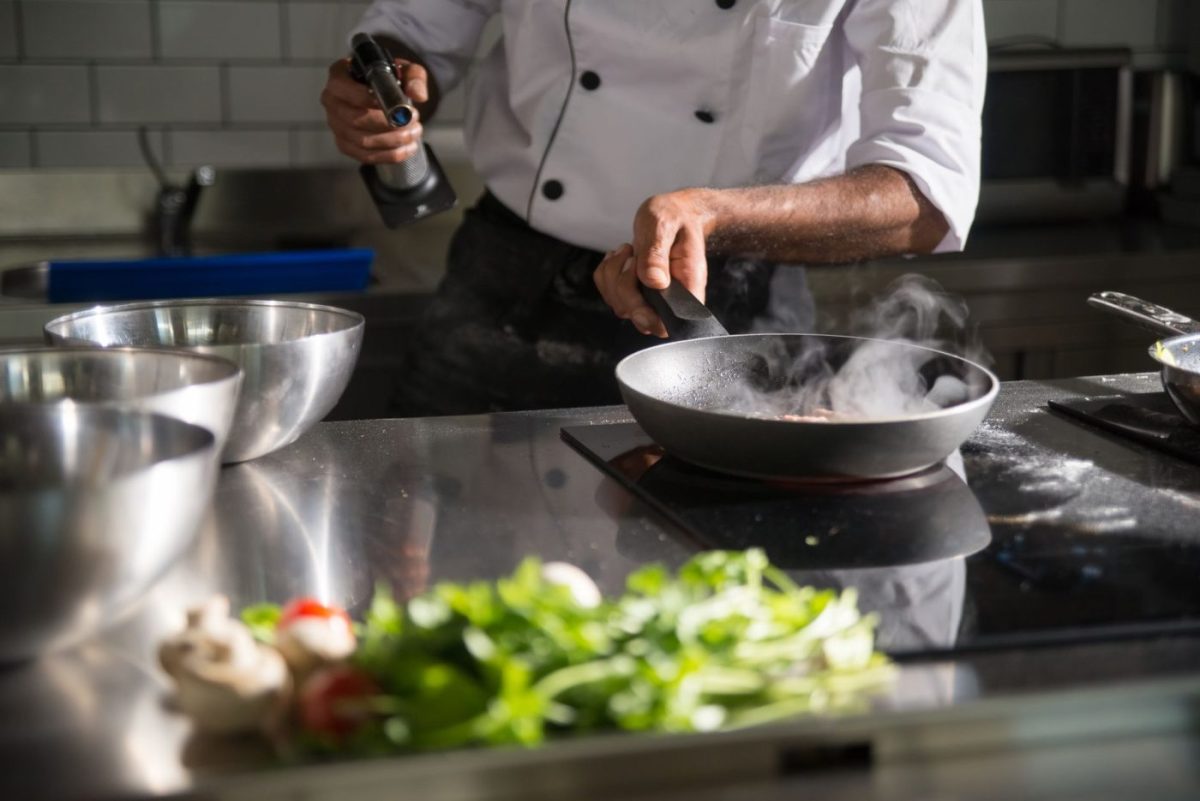
Aluminum pots and pans are lightweight, heat fast, and cost less than stainless steel. This article explains what happens when aluminum meets food, when it becomes a health concern, and how to use it safely in a commercial kitchen.
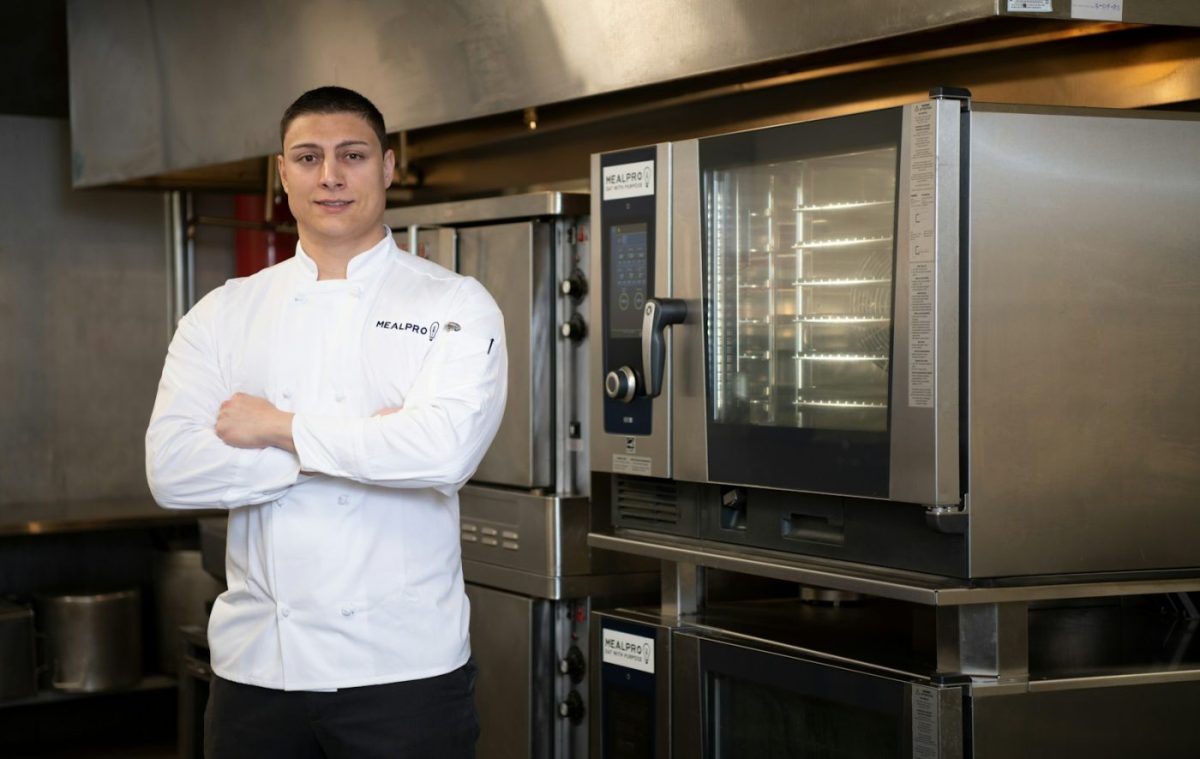
A combi oven replaces a steamer, convection oven and tilting pan in one footprint. We cover sizing, steam generation, tray capacity and the features that matter for a canteen serving 100 to 500 meals a day, so you can pick a model that fits your menu and your budget without overpaying.
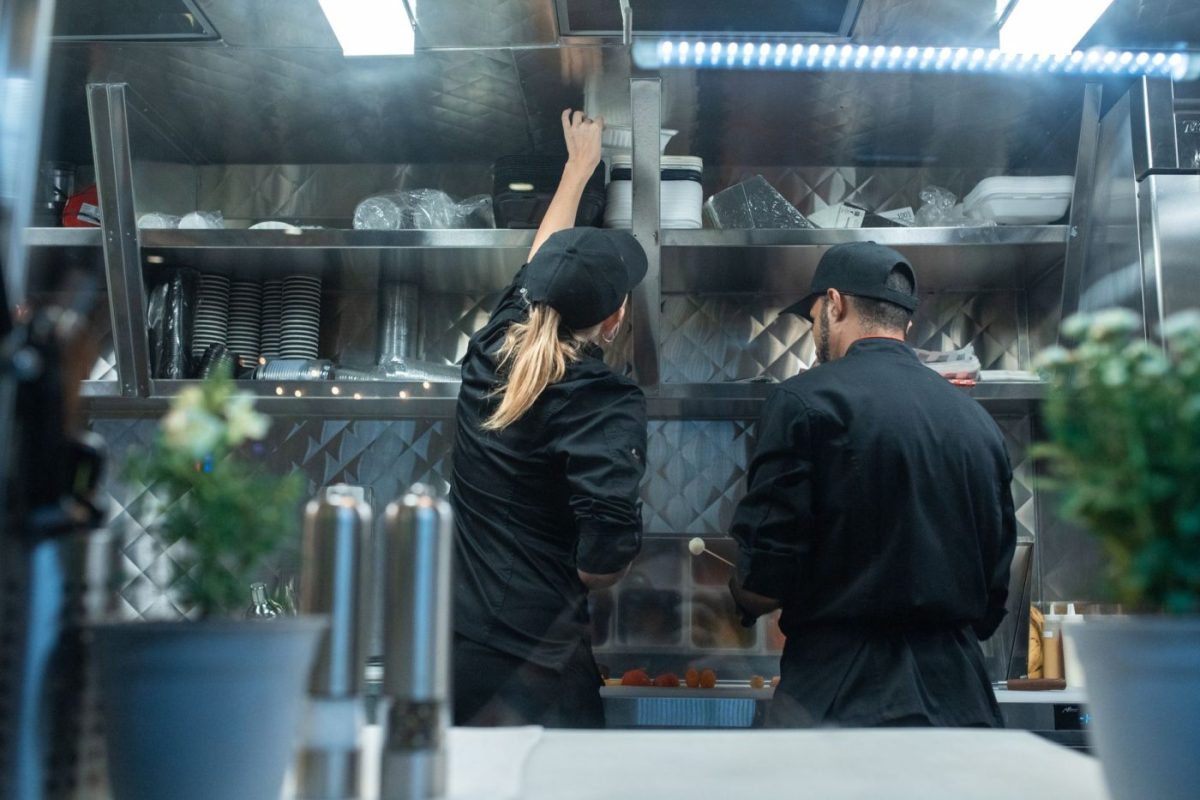
The right exhaust hood removes heat, grease and odors so your small kitchen stays safe and comfortable. You have four decisions to make, and each one depends on your menu, space and budget. Here are the worked examples for a typical 30-seat cafe.
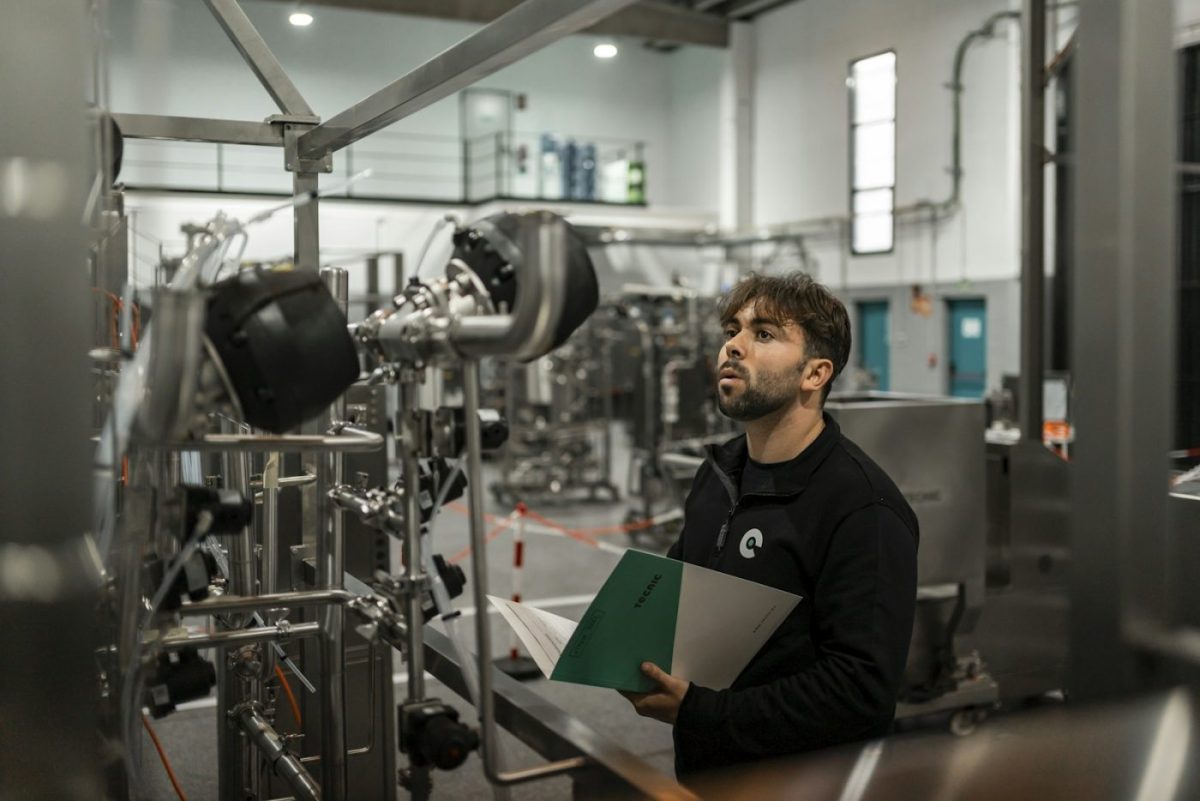
A noisy walk-in cooler disrupts the kitchen and signals a problem that won’t fix itself. You will learn the most common causes of loud operation, from a failing compressor to loose panels, and what a technician checks first.
Fried food smell drifting into the dining room is one of the fastest ways to lose customers before they even look at the menu. You can fix it with a few practical adjustments to your ventilation, cooking routine and air handling. Here are the steps that give the quickest results.
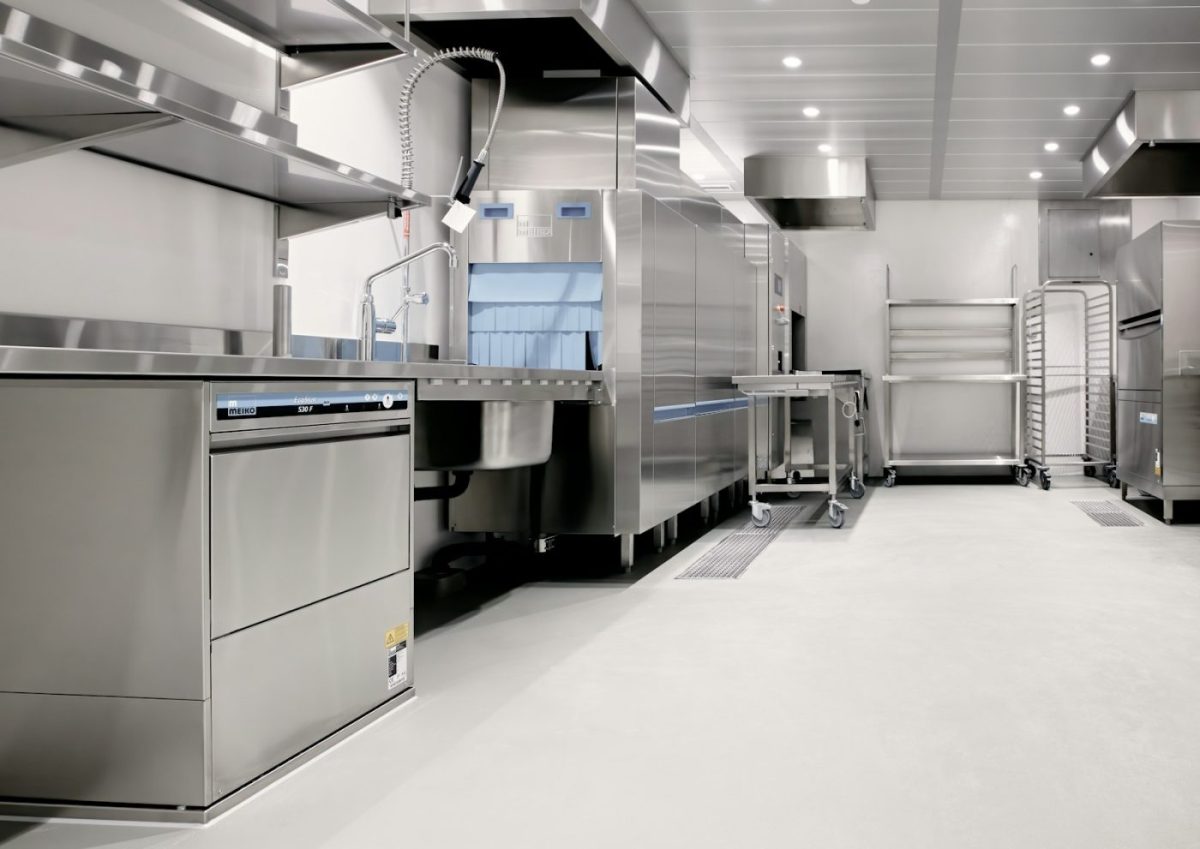
A commercial dishwasher’s energy label tells you exactly how much water and electricity it will consume every cycle. Understanding the rating system helps you forecast real utility costs for your kitchen, not just compare sticker prices.
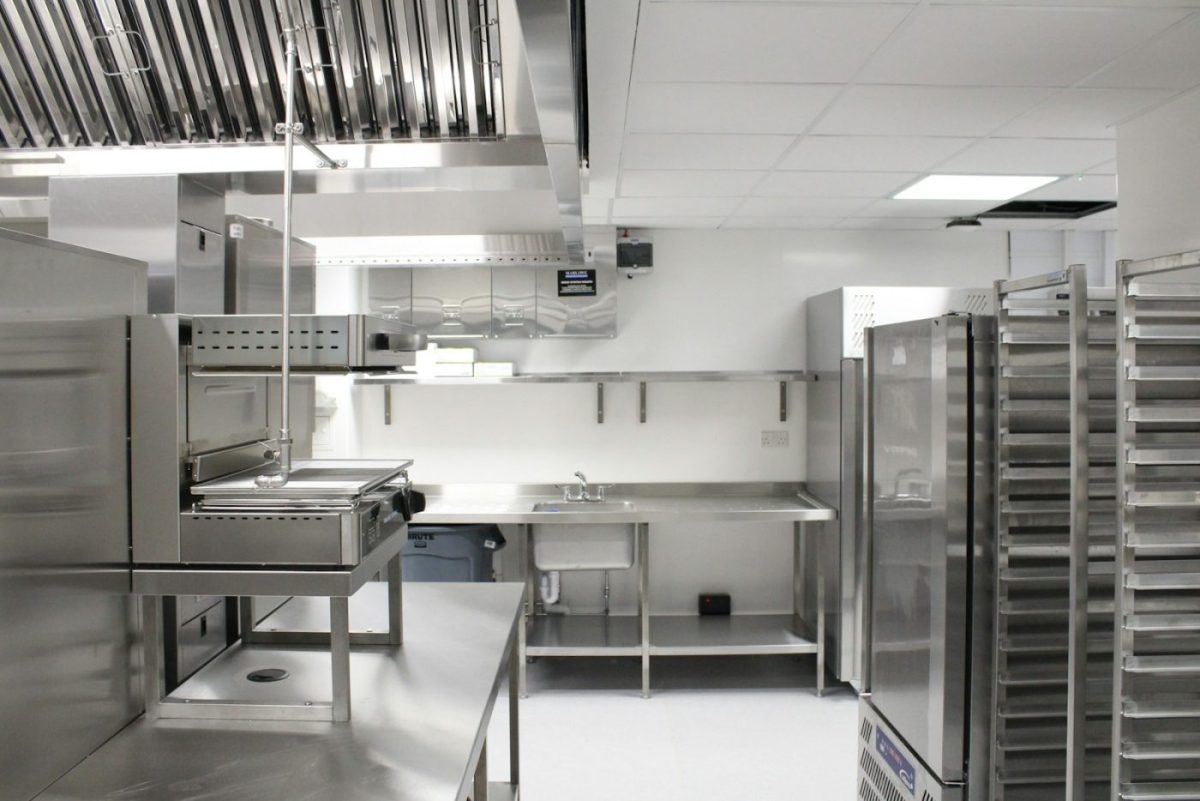
A clogged filter cuts airflow, overloads the fan motor and turns grease into a fire hazard. Here is a practical schedule for replacing grease and carbon filters based on how many hours your kitchen runs, so you stay compliant and keep extraction working at full capacity.
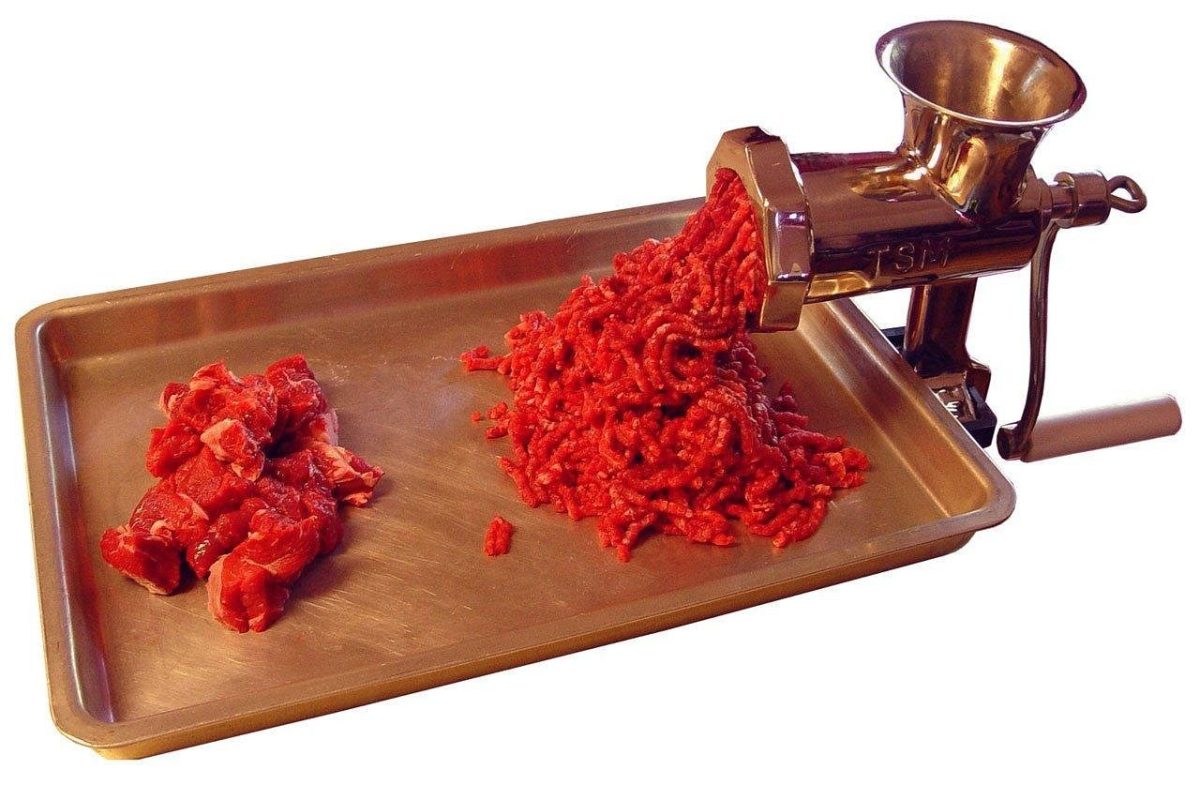
The right grinder keeps your pelmeni line running without pauses, gives you a consistent grind for the filling, and handles 100 to 500 kg of meat a day without overheating. This guide covers the three numbers that matter most: plate diameter, motor power, and real throughput so you buy once and get to work.
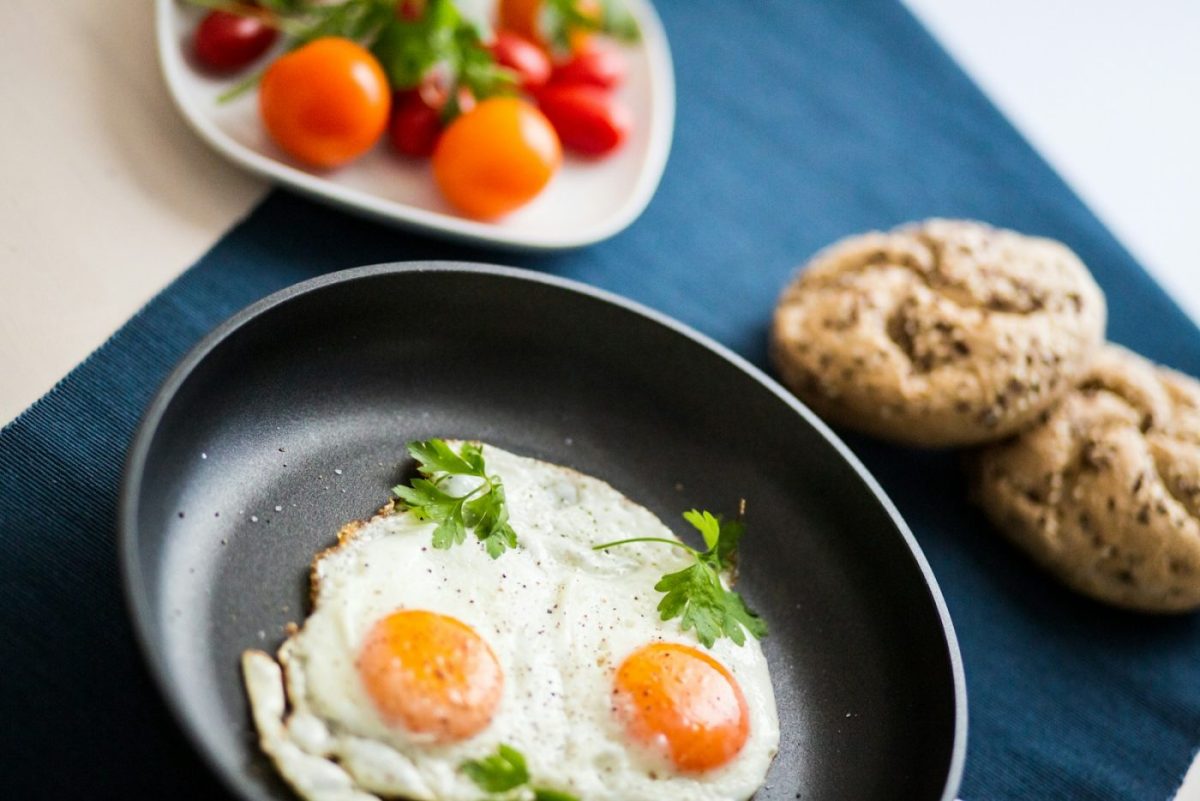
You hear conflicting claims about non-stick pans and health risks. We asked a hygiene physician to explain the facts about modern coatings, what changes at high heat, and which materials hold up in a busy professional kitchen. This article gives you the practical criteria to choose cookware you can trust.