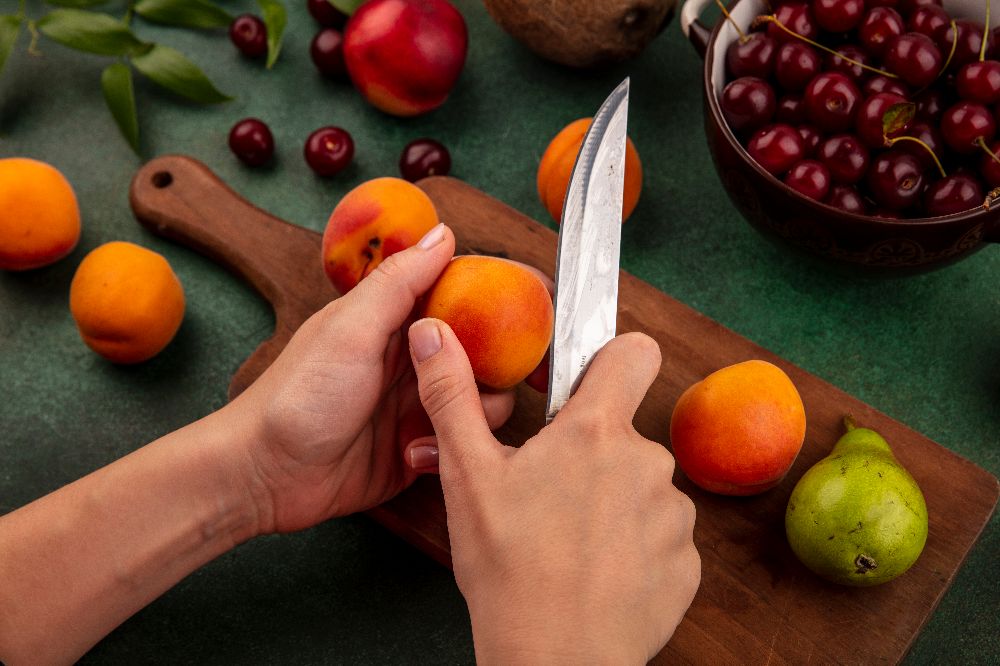
Few things feel better than slicing through vegetables or meat with a blade that glides effortlessly; dull knives, in contrast, turn cooking in your kitchen into a frustrating chore. Sharp kitchen knives are essential kitchen equipment, saving time, reducing accidents, and giving dishes a professional touch, but keeping them in top condition requires attention and some know-how.
What Must You Not Do When Sharpening a Knife?
Many people ruin blades without realizing it. Avoid these mistakes to keep your knives performing well:
- Pressing too hard: A heavy hand chips or bends edges; let the knife and sharpener do the work.
- Wrong angle: Most kitchen knives perform best around 15–20°; straying from this flattens or dulls the edge.
- Neglecting maintenance: Waiting until the knife is nearly useless makes sharpening harder and shortens its lifespan.
Even a high-quality sharp kitchen knives set can become unreliable if these simple rules are ignored.
What Is the Best Method to Sharpen Kitchen Knives?
Several approaches work well, depending on patience, skill, and available tools:
- Whetstone: Gives fine control; start coarse, then progress to a finer grit; long, smooth strokes prevent uneven edges.
- Honing rod: Realigns the edge rather than removing metal; ideal for regular upkeep and minor touch-ups.
- Manual or electric sharpeners: Quick and beginner-friendly; choose one with adjustable angles and stable surfaces.
I usually stick with a whetstone for chef knives, but an electric sharpener is perfect for busy evenings when time is tight. The key is consistency; skipping steps leads to uneven edges and unpredictable performance.
What Household Items Can I Use to Sharpen a Knife?
When sharpeners are unavailable, ordinary objects can help temporarily:
- Ceramic mug or plate base: The unglazed bottom works surprisingly well for light touch-ups.
- Sandpaper: Wrap around a flat surface and gently drag the blade; coarse grit first, fine grit for finishing.
- Scissors: Smaller knives can sometimes benefit from a quick alignment on the scissor edge.
These options don’t replace proper sharpening but can rescue a blade in emergencies.
What Are Common Sharpening Mistakes to Avoid?
Even experienced cooks slip into habits that dull blades faster:
- Rushing the process: Quick strokes make uneven edges; patience wins every time.
- Over-sharpening: Removing too much metal weakens the blade; a few careful passes are better than aggressive grinding.
- Ignoring safety: Always secure the knife and ensure a stable surface; accidents happen in a blink.
Recognizing these pitfalls prevents frustration and extends the lifespan of your sharp knife set.
How to Keep Sharp Kitchen Knives in Top Shape
A little care goes a long way:
- Wash and dry knives immediately; moisture dulls edges quickly.
- Store knives in a block or on a magnetic strip to avoid knocks.
- Hone often; regular attention reduces the need for full sharpening sessions.
A sharp kitchen knife set turns cooking from a chore into a pleasure; the right techniques, a few household tricks, and consistent care make every meal smoother and safer. into a system that works for you rather than against you.
