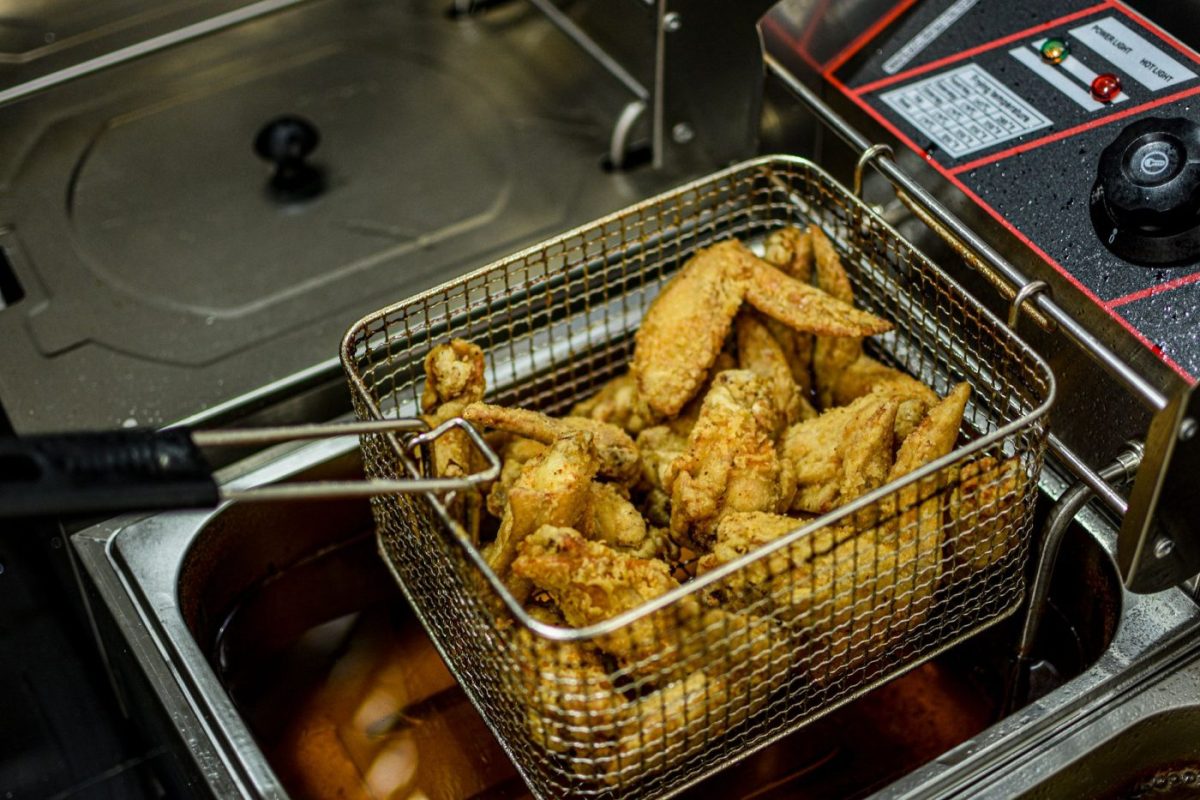
How long can you keep oil in a deep fryer?
Filtered frying oil kept in a sealed container at room temperature stays usable for 2 to 3 days. Refrigerated oil extends that window to about a week, but you must bring it back to room temperature slowly before reheating to avoid splatter. The clock starts when the oil was last heated, not when you drained it.
Oil degrades even when it looks clear. Rancidity develops from contact with air, leftover food particles and moisture left behind after filtering. You smell rancidity before you see it. Fresh oil has a neutral, slightly nutty scent. Oil that has turned smells waxy, like old crayons, or gives off a sharp, paint-like odor. Pour a small amount into a clean cup and warm it in your hands. If the smell makes you pull back, the batch is done.
Other signs are excessive foaming when the oil first heats, darkening beyond a pale amber color, and a sticky film on the fryer walls after draining. If the oil smokes at its normal cooking temperature, the smoke point has dropped and the oil is breaking down. Oil past that point transfers off-flavors to every item you fry, no matter how clean your batter or breading recipe.
Should you leave oil in the fryer overnight?
Clean, freshly filtered oil can stay in the fryer overnight with the lid closed. The pot is designed to hold oil, and a tight-fitting lid keeps out dust and moisture. Most commercial fryers with stainless steel tanks do not react with the oil in a way that degrades it overnight.
Oil that still holds crumbs, batter bits and sediment should never sit in a cold fryer overnight. As the oil cools, those food particles release water and acids that attack the oil and settle on the tank floor. By morning the oil picks up a stale, burnt smell and the sediment layer becomes a scrubbing job, not a simple wipe. Drain and filter that oil before you lock up, or pump it into a holding container if your fryer has a built in filtration system.
If the kitchen cools down overnight and condensation is a risk, leaving the lid slightly ajar traps less moisture against the oil surface than a fully sealed cold pot. A fryer kept in a warm ambient temperature, above 15°C, does not need this trick.
What temperature should the oil be before you drain it?
Drain frying oil when it cools to a safe handling range, typically 120, 150°F (49, 65°C). Within this window the oil stays fluid enough to pass through a filter quickly, yet it is no longer hot enough to cause a serious burn if it splashes onto skin. Draining at 350°F, the normal cooking temperature for most fryers, turns a routine task into a hazard. A splash of oil at that temperature causes deep tissue burns on contact, and the hot liquid can crack plastic collection containers or melt hoses not rated for continuous high heat.
Let the oil cool naturally with the fryer lid open. Most countertop and floor fryers drop from cooking temperature to the 150°F mark in 30 to 45 minutes, depending on the vat volume and kitchen ambient temperature. Do not add fresh cold oil to speed cooling. Thermal shock from mixing cold and hot oil stresses the fryer tank welds over time and makes the temperature harder to read. Use an infrared thermometer or a probe clipped to the side of the pot to check the reading before you open the drain valve.
Step-by-step: filtering and storing oil after service
Cool the oil to 150°F (65°C) before you handle it. Hot oil is a burn hazard and it degrades faster when it moves through air. Switch the fryer off and wait until the temperature drops on the built-in thermostat. If you are in a hurry, do not pour cold water near the vat; let it cool naturally with the lid off so steam does not condense and drip back.
Skim the surface with a long-handled spider strainer to lift out floating crumbs and batter bits. Then drain the oil through a fine-mesh cone filter or a filter paper rated at 50, 100 microns. A paper rated tighter than 50 microns strips too much body from the oil and slows the flow, so stick to the range that commercial filter papers list on the box. Catch the filtered oil in a clean, dry stainless steel container that has a tight-fitting lid.
Label the container with the date and the type of oil. Store it in a cool, dark place away from steam pipes and direct sunlight. The routine below keeps the oil clean and cuts your weekly oil spend noticeably.
- Power off the fryer and let the oil cool to 150°F (65°C).
- Skim floating debris with a spider strainer while the oil is still warm and fluid.
- Drain the oil through a cone filter or paper rated 50, 100 microns into a dry stainless steel container.
- Wipe the fryer vat with a lint-free cloth to remove sediment before returning the oil.
- Seal the container, label it with the date and oil type, and store it away from heat and light.
- Return filtered oil to a clean fryer before the next shift, never mix fresh oil with badly degraded old oil.
What containers are safe for storing used frying oil?
The only materials you should use are stainless steel, food-grade high-density polyethylene (HDPE) plastic, or the original oil jugs the product came in. Stainless steel is the top choice for daily use because it resists oxidation, cleans without scratching, and handles warm oil without warping. Food-grade HDPE buckets with a tight-sealing lid work well for short-term storage, provided the oil has cooled below 100°F (38°C) first.
Reusing the original jugs is safe when the container still has its factory cap and no cracks. Avoid reactive metals entirely. Copper, iron, cast aluminum and especially galvanized steel react with the free fatty acids in used oil and accelerate rancidity. Galvanized containers carry an additional risk. The zinc coating can leach into the oil, which is a documented health code violation in most jurisdictions and a fast route to a failed inspection. Stick to inert, non-porous surfaces that you can dry completely before refilling.
How to extend frying oil life without sacrificing food quality
Oil breaks down faster when it is dirty, wet and overworked. A few daily habits keep it stable for more shifts without changing the taste of the food.
Skim floating particles between batches with a fine-mesh skimmer. Burnt crumbs carbonise and transfer a bitter flavour to fresh product, and they accelerate the chemical breakdown of the oil. Do this every 20 to 30 minutes during a busy service.
- Top up with fresh oil regularly. Replacing the oil absorbed by food with clean oil dilutes free fatty acids and slows degradation. Aim to add 15 to 20 percent of the vat volume each day.
- Keep fry baskets clean. Carbonised batter on the wire mesh acts as a catalyst for oil oxidation. Scrub baskets with a stiff brush and hot detergent at the end of every shift.
- Control moisture. Shake off ice crystals from frozen product before lowering the basket. Water hydrolyses oil, raising free fatty acid levels and lowering the smoke point.
- Filter at the right temperature. Strain oil at 120 to 150 °C (250 to 300 °F) through a metal strainer or filter paper. Oil is thin enough to pass through the mesh at this range, and the heat keeps the filter pores open.
- Manage batter fallout. Use a separate breading station away from the fryer and tap off excess coating before the basket goes in. Loose flour and starch settle on the burner tubes and scorch, creating off-flavours that transfer to every batch that follows.
FAQ
Can I filter oil and put it back in the same fryer for tomorrow?
Yes, if the fryer pot is clean and dry and you close the lid to keep dust and insects out. Many kitchens drain oil through a filter cone directly back into the fryer after the pot has cooled and been wiped down. Just make sure no water or cleaning chemical residue remains in the pot before refilling.
How many times can I reuse frying oil?
There is no fixed number of cycles because it depends on what you fry, how hot you run the oil and how well you filter it. A kitchen frying coated chicken at 350°F with daily filtration may get five to seven days, while a shop frying uncoated potatoes might stretch it longer. Judge by color, smell and smoke point, not by a calendar.
Does refrigerating used oil make it last longer?
Refrigeration slows oxidation and can add a day or two of usable life, but it is rarely practical in a busy kitchen. If you do refrigerate, bring the oil back to room temperature before reheating and expect some cloudiness from solidified fats. That cloudiness is normal and clears when the oil heats up.
What is the fastest way to cool oil for storage?
Never pour hot oil into a plastic container or add water to cool it. The safest method is to let the oil sit in the fryer with the heat off until it drops below 150°F, then drain it into a stainless steel stockpot. Placing that pot in a sink with a few inches of cold water, without submerging the rim, can speed the final cooling stage.
