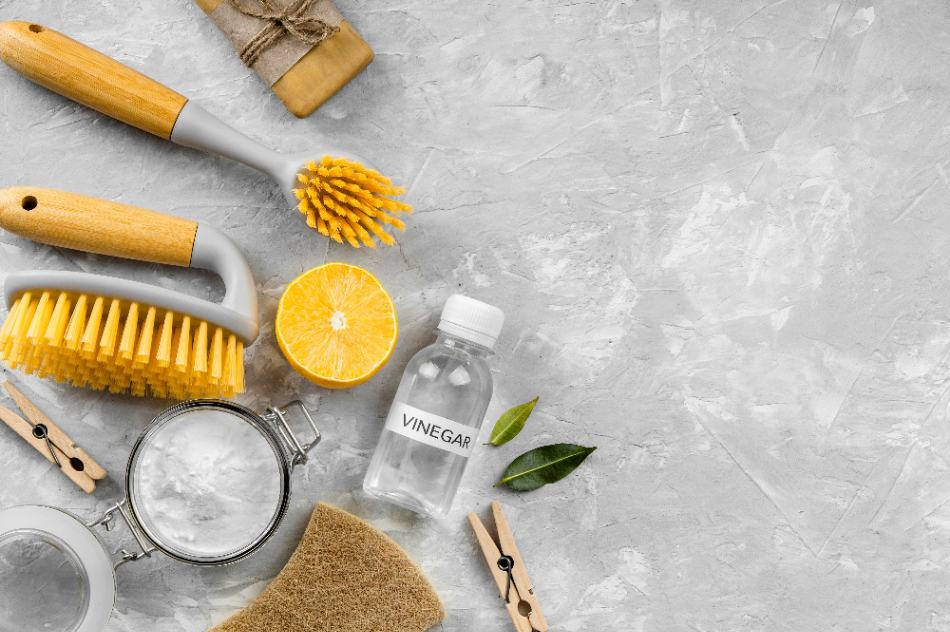
A clean kitchen does more than look nice. It protects food, saves time, and keeps people from getting sick. I have seen too many kitchens where tools look fine but hide bacteria in plain sight. That happens when people skip clear steps in cleaning and sanitizing kitchen tools and equipment or rush the process.
Food residue sticks fast. Moisture makes things worse. Once bacteria settle in, they spread without effort. Good habits stop that chain early. Simple routines work for home cooks and busy kitchens alike. What matters is consistency, not fancy products.
Clear methods help beginners feel confident. Experienced cooks benefit too because speed never replaces care.
Why Cleaning and Sanitizing Kitchen Tools and Equipment Matters Daily
Dirty tools affect taste before they affect health. A cutting board with leftover juices can ruin fresh food in seconds. Long-term use without care shortens the life of equipment as well.
Regular cleaning sanitizing kitchen tools and equipment reduces risk and stress. You cook with focus instead of worry.
Key gains stay obvious:
- Safer food from prep to plate
- Tools that last longer and smell fresh
Cleaning and Sanitizing Utensils Are Not the Same Task
Cleaning removes what you see. Sanitizing deals with what you do not. Soap lifts grease and scraps. Heat or solution kills bacteria after washing.
Many people wash and stop there. That habit leaves germs behind. When you sanitize utensils, you finish the job. Skipping that step invites cross-contact between foods.
Both actions matter every time a tool touches raw meat, dairy, or ready food.
Clear Steps in Cleaning and Sanitizing Kitchen Tools and Equipment
Order shapes results. Sanitizer fails on dirty surfaces. I stick to the same flow every day because it saves effort later.
Use this sequence:
- Wash tools with warm water and detergent
- Rinse fully so no soap stays behind
- Sanitize with heat or food-safe solution
Air drying works best. Cloth towels bring bacteria back. Let gravity handle the rest.
How to Clean and Sanitize Kitchen Utensils by Material
Not all tools behave the same. Steel handles heat well. Plastic stains easily. Wood absorbs moisture and needs gentle care.
For cleaning and sanitizing kitchen utensils, match the method to the surface. Use approved products only. Measure solutions instead of guessing. Too strong causes damage. Too weak does nothing.
Good habits help:
- Separate sponges for dishes and surfaces
- Replace cracked or worn utensils early
Cleaning Food Equipment and Utensils in Busy Kitchens
High-traffic kitchens demand discipline. Tools used on raw food need immediate care. Waiting spreads bacteria fast.
I prefer cleaning during cooking, not after. Quick washes between tasks keep mess from building. End-of-day sanitizing then feels lighter.
When cleaning food equipment and utensils, inspect hinges, grips, and seams. Those spots trap residue easily. Regular checks prevent buildup.
Common Errors During Cleaning and Sanitizing Utensils
The biggest mistake involves skipping sanitizing. Rushing ranks close behind. Guessing sanitizer strength also causes trouble.
Never mix chemicals. Stick to clear labels. Simple rules keep kitchens safe without drama.
Strong cleaning and sanitizing utensils routines protect food and peace of mind. Once the habit forms, it feels natural. Cooking becomes easier when tools stay clean and ready.
