Every commercial kitchen inspection eventually comes down to the same question: how long has this food actually been sitting at an unsafe temperature? It sounds simple until you’re mid-rush and nobody’s watching the clock on the prep table.
Getting the basics right matters more than any fancy technique, and a lot of kitchens get tripped up on the same handful of questions. A solid set of food temperature questions and answers is worth keeping close by, especially for newer staff who haven’t internalized the numbers yet.
Why the Danger Zone Rule Exists
Bacteria multiply fastest between 40°F and 140°F, and the window most kitchens are told to respect is no more than two hours in that range, or one hour if the room is hotter than 90°F. The danger zone concept comes straight from USDA and FDA food safety guidance, and it’s the backbone of nearly every health inspection checklist.
The tricky part isn’t knowing the rule. It’s tracking it consistently across every station during a shift that never really stops moving.
Where Equipment Actually Prevents the Problem
Good habits only go so far without equipment that backs them up. A few pieces of gear do most of the heavy lifting:
- Reach-in and walk-in coolers holding a steady 40°F or below
- Hot-holding units keeping food above 140°F without drying it out
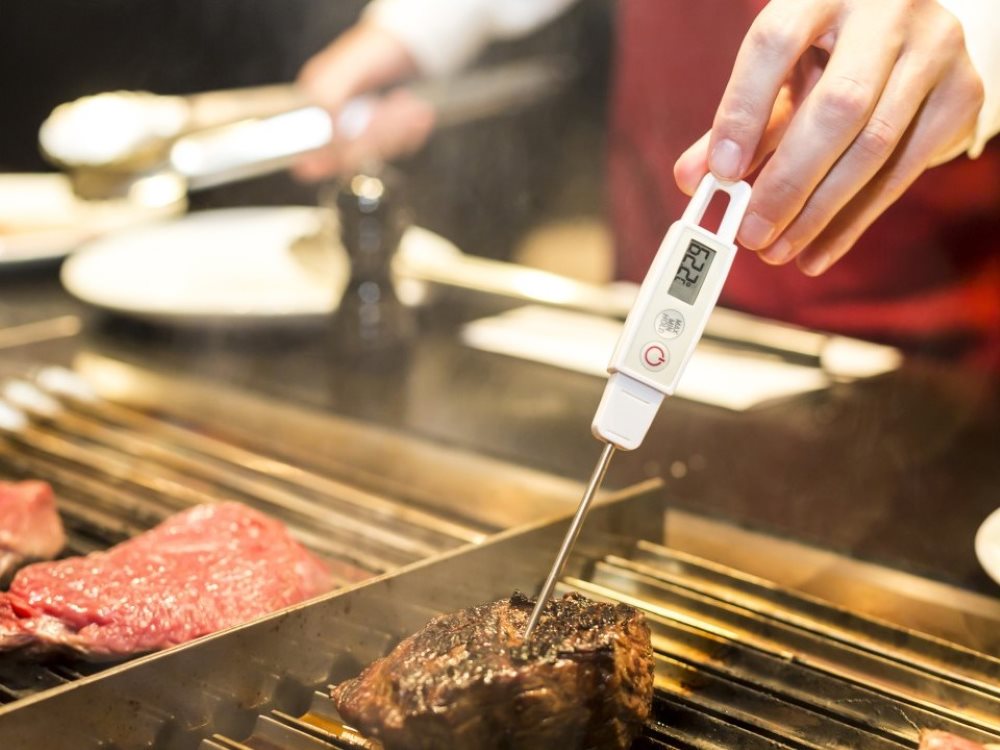
- Calibrated probe thermometers checked at the start of every shift
- Blast chillers that pull hot food through the danger zone fast instead of leaving it to cool slowly on a counter
A fridge running a few degrees warmer than it should, or a hot-holding unit that’s slowly losing power, can undo an otherwise well-run kitchen’s food safety record without anyone noticing until an inspection flags it.
Common Spots Where Things Go Wrong
A few recurring mistakes show up across kitchens of every size:
- Leaving cooked food on the counter to cool before refrigerating it
- Overloading a cooler so cold air can’t circulate properly
- Skipping thermometer checks during a busy shift
- Assuming a unit is holding temperature just because the light is on
None of these are complicated fixes. They just require someone paying attention on the days when paying attention is hardest, which is exactly when most of these slips happen.
Building the Habit Into Service, Not Around It
The kitchens that stay clean on inspections tend to treat temperature checks as part of the workflow rather than an extra task bolted on top of it. A thermometer sitting on the line, a log sheet actually getting filled in, and a five-minute check at open and close catch most problems before they turn into a write-up.
None of this requires a bigger budget. It just requires making the checks as routine as prepping the line itself.
