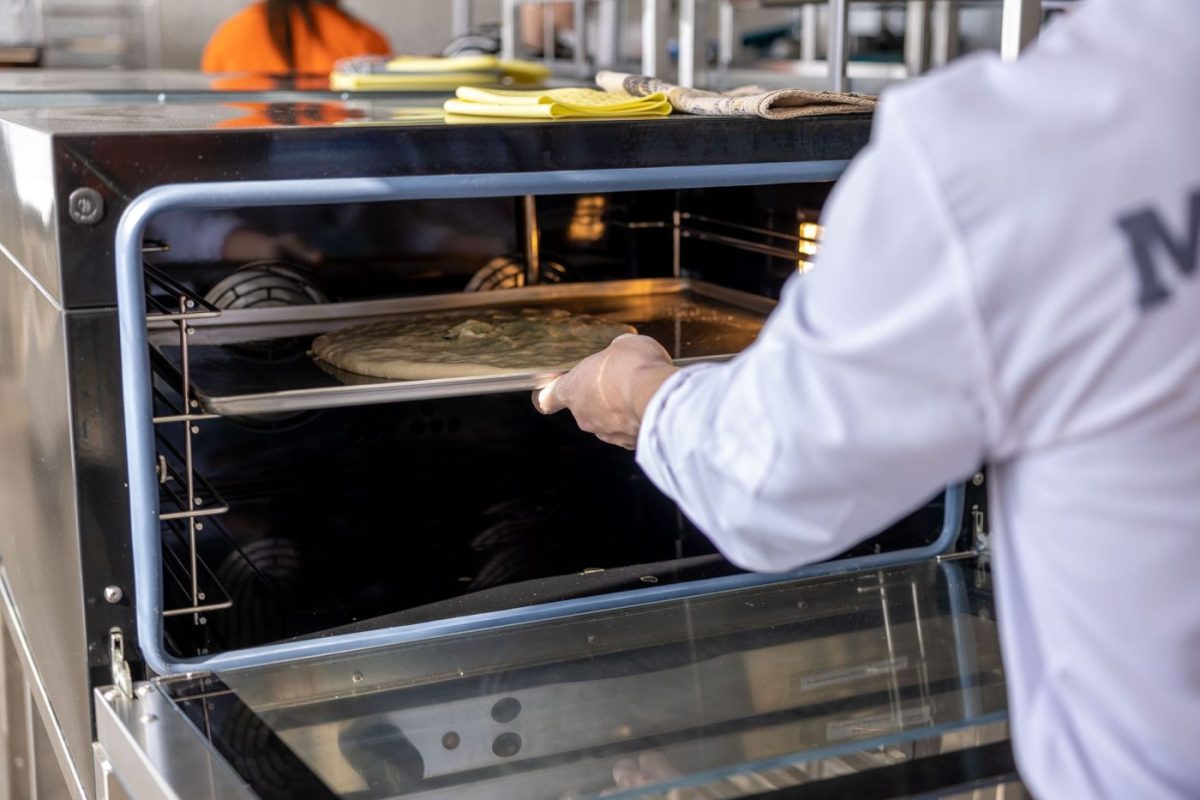
What exactly is a combi oven and how is it different from a convection oven
A convection oven circulates dry, heated air with a fan to cook food evenly and brown the surface. A combi oven adds the ability to inject steam and control humidity, which means it can operate in three distinct modes: dry convection heat, steam only, and a combination of dry heat with moisture.
The core mechanical difference is the water connection and internal steam generator. A convection oven moves air. A combi oven moves air and manages moisture content inside the cavity, letting you roast with humidity to reduce shrinkage or proof dough in a controlled environment. Without a water line and a drain, you cannot use the steaming and combi functions.
In practice, a convection oven gives you one cooking method with adjustable temperature and fan speed on some models. A combi oven gives you that same dry method plus gentle steaming for fish and vegetables, and a combination mode where moist heat transfers faster into the product without drying the surface. A combi oven can therefore replace a steamer, a convection oven and a tilt skillet in one footprint.
Which cooking functions does each oven offer
A combi oven combines dry convection heat, steam injection and a combination mode that blends both. This lets you roast, bake, steam, braise, proof dough, hold food at serving temperature and run low-temperature overnight cooking in one unit. A standard convection oven circulates hot dry air and handles baking, roasting and holding, but it cannot generate steam or maintain the precise humidity levels needed for proofing and gentle braising.
The practical difference is clear in daily production. With a combi you can steam fish and roast chicken in the same cavity during different services. A convection oven does high-heat roasting and baking well, but you need a separate steamer for vegetables, rice or delicate proteins.
- Convection ovens handle baking, roasting, reheating and holding, but do not steam, braise or proof.
- Combi ovens cover baking, roasting, steaming, braising, proofing, holding and overnight low-temperature cooking.
- Combination mode in a combi oven adds controlled moisture to roasting, which reduces shrinkage in meat.
- Proofing requires stable low heat and humidity, a function only a combi oven can provide without a separate proofer.
How do energy and water consumption compare in daily use
A convection oven only draws electricity for the fan and heating elements. A combi oven adds a water line, a drain connection and a boiler or direct-injection system that consumes water during steam and combi modes. A combi oven always carries a higher utility burden, but the real cost per service depends on how you cook.
Typical three-phase electrical loads for a 10-grid combi run from 18 kW to 36 kW depending on the boiler type. A boilerless model injects water straight onto the heat exchanger, cutting preheat time and reducing electrical demand by roughly 10, 15 % compared with a traditional boiler unit. A convection oven of similar capacity sits in the 12, 18 kW range. The gap narrows when the combi finishes a roast in 40 minutes and a convection oven needs 70. Shorter run time trims the total kilowatt-hours per tray.
Water consumption for a combi oven during a full service shift typically lands between 60 and 120 litres. Cavity insulation makes a measurable difference here: double-paned glass and thick door seals hold steam in the cabinet, so the oven injects less water to maintain humidity. A poorly insulated unit cycles water more often and dumps more heat into the kitchen, which also raises the load on your extraction and air conditioning.
When you compare real cost per cover, the combi oven often offsets its higher energy and water draw with speed and the ability to cook multiple products in one cavity. A convection oven is cheaper to install and simpler to run, but you need separate equipment for steaming, poaching or reheating without drying out the food.
What dishes turn out better in a combi oven versus a convection oven
A convection oven relies solely on moving dry heat, so it is excellent for browning and crisping. A combi oven adds steam, letting you control humidity and cook with moist heat or a combination of both. Certain dishes therefore benefit clearly from one technology over the other.
Roasted meats come out juicier in a combi oven because the steam environment reduces moisture loss during cooking. A convection oven can still produce a crisp skin on a chicken, but the combi oven lets you roast at a lower temperature, then finish with dry heat for crackling without drying out the meat. Delicate fish fillets and seafood stay moist and tender with steam, where a dry convection blast would leave them tough or curled at the edges.
Typical menu items compare as follows:
- Roasted meats and poultry: Combi ovens retain more internal moisture while still achieving a browned exterior when you finish with dry heat. Convection roasts well but risks a drier result over long cook times.
- Delicate fish and seafood: Steam cooking in a combi oven preserves texture and prevents the flesh from drying out. A convection oven forces you to baste constantly or accept a firmer, less succulent fillet.
- Bread and pastries: A convection oven gives consistent browning and a crisp crust. A combi oven can inject steam at the start of baking to improve oven spring and a shiny crust on bread, but for flaky pastry a dry convection environment usually yields better layers.
- Vegetables: Combi steam keeps green vegetables bright and firm. Convection roasting caramelises root vegetables with more intense flavour, though a combi can match this by switching to combination mode.
- Reheating plated meals: A combi oven reheats with steam to restore moisture without making food soggy. A convection oven often dries out the edges of a dish before the centre is hot.
Which oven type makes sense for a bakery, a cafe or a full-service restaurant
A bakery producing bread, pastries and laminated dough all day relies on steady dry heat and even browning across multiple racks. A convection oven with precise humidity control, or a dedicated deck oven, delivers the crisp crust and open crumb structure that a combi’s steam function can compromise when used incorrectly. If your menu is 90% baked goods, a high-quality convection oven is the more cost-effective choice and easier for junior bakers to operate consistently.
A cafe with a high turnover of sandwiches, quiches and reheated pastries benefits most from the speed and reheating quality of a combi oven. The combination of steam and convection brings refrigerated food back to serving temperature without drying it out, which keeps your display case looking fresh through a lunch rush. A compact 5- or 7-tray combi can replace a separate steamer and convection oven, freeing up bench space in a small kitchen.
A full-service restaurant gains from the versatility of a combi oven. One unit can roast chicken, steam fish, prove dough and hold plates at serving temperature. That flexibility lets you run a broader menu without adding more equipment, and the programmability reduces the skill gap when you have multiple cooks across shifts. The higher upfront cost is offset by doing the work of three or four separate appliances.
What should you check before buying a combi oven for an older kitchen
Older buildings often hide limitations that a spec sheet alone will not reveal. Start with the electrical supply. Most commercial combi ovens need a three-phase 400 V connection, and a single-phase board in a converted space means an expensive panel upgrade before the unit can be installed.
Water and drainage are just as critical. A combi oven requires a treated cold water feed and a floor drain or a pumped waste line rated for hot, greasy water. A standard sink drain with a narrow trap will back up during a steam cycle and create a hygiene risk.
Ventilation and physical clearance round out the checklist. A Type I hood is mandatory in most jurisdictions because the oven produces grease-laden vapour, not just steam. Measure the full door swing arc and add clearance for a service panel on the rear or side wall.
- Confirm three-phase 400 V power is available at the planned location; check the panel capacity and breaker space.
- Verify the water line delivers 2 to 5 bar of pressure and install a scale filter if hardness exceeds 5°dH.
- Ensure the floor drain can handle peak discharge during a steam cycle without overflowing.
- Check the hood fire suppression coverage extends to the new appliance footprint.
- Leave at least 300 mm behind the unit for venting and service access.
- Measure the door opening radius in both directions to avoid blocking a walkway or another appliance door.
FAQ
Can a combi oven replace a convection oven completely
Yes. A combi oven can run in pure convection mode with the steam function turned off, so it handles every task a standalone convection oven does. The trade-off is a higher purchase price and the need for water and drain connections.
Do I need a water connection for a convection oven
No. A standard commercial convection oven needs only an electrical or gas supply and a ventilation hood. Some models offer a manual water injection for burst steam, but it is not required for daily baking and roasting.
Which oven is easier for staff to learn
A convection oven is simpler. The cook sets a temperature and a timer. A combi oven adds steam percentage, fan speed and multi-step programs, so training takes longer. Once the team learns the programs, consistency improves across shifts.
How often does a combi oven need descaling
That depends on water hardness and daily hours of steam use. In a hard-water area running two shifts, descaling may be needed every two to four weeks. Many models alert the operator when a descaling cycle is due, and built-in automatic programs simplify the job.
