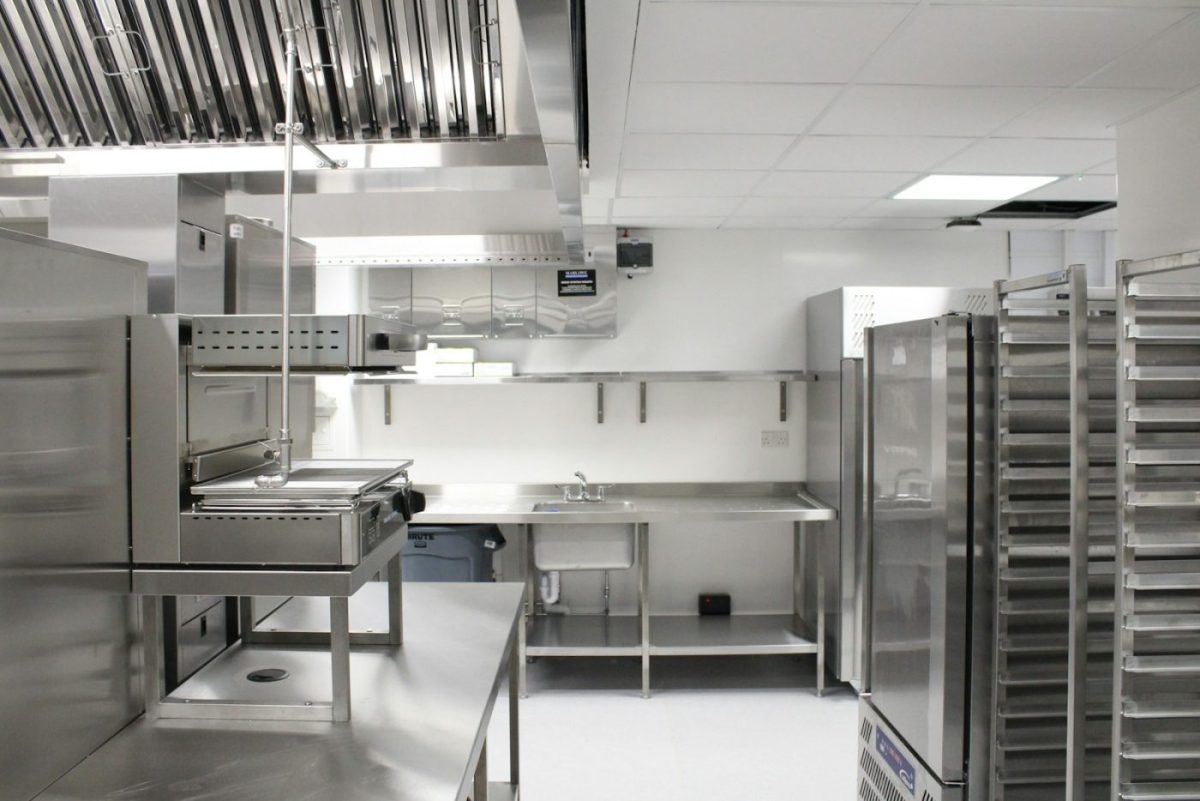
What happens if I run a hood with a spent filter
A clogged grease filter chokes the airflow through the hood. The extraction fan works harder against the resistance, drawing more current and running hotter than the motor was designed for. The kitchen stays smoky and uncomfortably warm even with the hood running at full speed.
Grease that should have been trapped in the filter now passes straight through and settles on the fan blades, the duct walls and the roof outlet. That deposit is sticky and flammable. A buildup of just a few millimetres inside the ductwork turns the extraction system into a fuel path for a fire that can spread to the roof space in seconds. Insurance inspectors look for exactly this, and a spent filter is often the first point of failure in a claim.
Over time the fan motor burns out from sustained overload, the duct lining corrodes under the acidic grease layer and the hood itself becomes a grease trap that needs chemical stripping rather than a routine wipe-down. A replacement motor and duct cleaning cost several times more than keeping a spare set of filters on the shelf.
How often should I replace grease filters
Grease filter replacement follows the hours the cooking line runs, not calendar days. A filter that looks clean can already be saturated and letting grease bypass into the duct. The table below gives practical intervals based on daily cooking time.
- Light use, up to 8 hours a day: replace every 2-4 weeks. This suits cafes and breakfast-only kitchens with little frying.
- Medium use, 8-16 hours a day: replace every 1-2 weeks. Typical for lunch-and-dinner restaurants with a mixed menu.
- Heavy use, 16-24 hours a day: replace every 3-7 days. Applies to 24-hour diners, grill houses and kitchens running solid-top ranges continuously.
- Washing baffle filters in a commercial dishwasher every shift extends their life but does not eliminate replacement. Mesh filters trap particles that washing cannot fully dislodge.
- If you wash filters in a dishwasher, you can extend the replacement interval by roughly one third. A filter that would last two weeks unwashed may stretch to three weeks with daily cleaning.
- Keep a log by the hood: record the install date and set a reminder. Guessing leads to missed changes and a duct full of grease.
How often should I replace carbon filters
Carbon filters are used in recirculating hoods that return air to the kitchen instead of venting it outside. A carbon filter traps odour molecules and volatile organic compounds inside its porous structure. Once the carbon granules are saturated, the filter stops removing smells and simply passes air through.
The replacement interval depends on cooking volume. A cafe doing 4-6 hours of light cooking per day typically needs a fresh set every 2-4 months. A busy restaurant running 10-14 hours of continuous grilling, frying or sauteing will saturate the carbon in 1-2 months.
Carbon filters cannot be washed or regenerated. Water and detergent destroy the pore structure that traps odor. When the filter is spent, the only option is to replace it. Keeping a spare set on the shelf avoids the gap between noticing the smell and fitting new cartridges.
What factors shorten the interval between changes
Several operating conditions push a filter toward saturation faster than the standard schedule. The four most influential factors are cooking method, daily throughput, the fat content of the menu, and fan speed settings.
- Solid-fuel and chargrill cooking produce heavy, sticky particulate that loads a grease filter in half the time of a steaming or poaching station.
- High daily cover counts mean more aerosolised fat passing through the baffles. A 200-cover grill section fouls filters much faster than a 60-cover cold larder.
- Menus heavy in animal fats and frying oils generate dense, quick-setting residue. Steaming, boiling, and plant-forward cooking slow the buildup.
- Running the extraction fan at maximum speed for the whole shift pulls a greater volume of grease-laden air through the mesh, concentrating the deposit.
- Missing the drip tray or neglecting the daily wipe-down lets captured grease re-enter the airstream and coat the filter again during the next service.
How do I know a filter needs replacing right now
A filter that is past its useful life gives you clear physical and operational warnings. On a grease baffle filter, look for oil beading up and dripping from the bottom rail. When the mesh or baffle channels are fully caked with a dark brown, varnish-like residue that does not come off in the dishwasher, the filter has lost its ability to catch new grease.
Airflow tells you the same story. Hold a paper towel up to the intake while the fan runs. If the towel does not pull tight against the grille, the pressure drop across the filter is too high and it is choking the system. A hood-mounted manometer or a digital alarm panel will also flag this, but the towel test confirms it in seconds without tools.
Odor is the third signal. When the exhaust fan runs at full speed and you still smell fried oil or charbroiled meat in the dining room, the filter medium is saturated. For carbon filters in recirculating hoods, that lingering smell is the primary indicator because there are no visual cues on the outside.
- Grease beads or drips on the filter frame and hood lip
- Mesh or baffle openings no longer visible through the buildup
- Dark brown coating that survives a commercial wash cycle
- A paper towel not held firmly against the intake grille
- Persistent cooking odor in the front of house with the fan on
- Hood control panel showing a filter alarm or pressure fault
Does the filter type change the maintenance routine
Baffle filters, typically stamped from 304 stainless steel, handle daily dishwasher cycles without warping. You pull them out, run them through a commercial dishwasher, and reinstall. 430 stainless baffles cost less but will show rust spots within 12-18 months in a humid kitchen.
Mesh filters trap grease in layered aluminium or stainless screens. They clog faster than baffles because the fine weave holds particles that a dishwasher alone cannot fully clear. You need a weekly soak in a degreaser tank, then a dishwasher cycle, to keep airflow steady.
Disposable media pads are a swap-and-discard item. You replace them every 5-7 days regardless of visual condition. Once the fibre mat saturates, it blocks airflow and becomes a fire risk with no recovery path. The routine is simple: peel out the old pad, slide in a fresh one, and dispose of the spent pad according to local grease waste rules.
FAQ
Can I wash a carbon filter instead of replacing it
No. Washing does not restore the activated carbon's ability to absorb odors. Once the pores in the carbon are saturated, the filter stops working and must be replaced with a new one.
Does a thicker grease filter last longer
Not in terms of the replacement interval. A thicker baffle filter holds more grease before it clogs, so it may go a few extra days between washes in a very busy kitchen. The replacement schedule still depends on hours of operation and the type of cooking.
How do I size a replacement filter correctly
Measure the exact width and depth of the slot in the hood, not the old filter. Filters are sized in millimeters or inches. A filter that is even 5 mm too wide will not seat properly and will let unfiltered air bypass into the duct.
Is a hood with a clogged filter a fire code violation
Yes. Most local fire codes and NFPA 96 require that grease removal devices be kept in clean condition. An inspector who finds a filter dripping grease or visibly blocked will typically issue a citation and may require immediate correction before the kitchen can operate.
